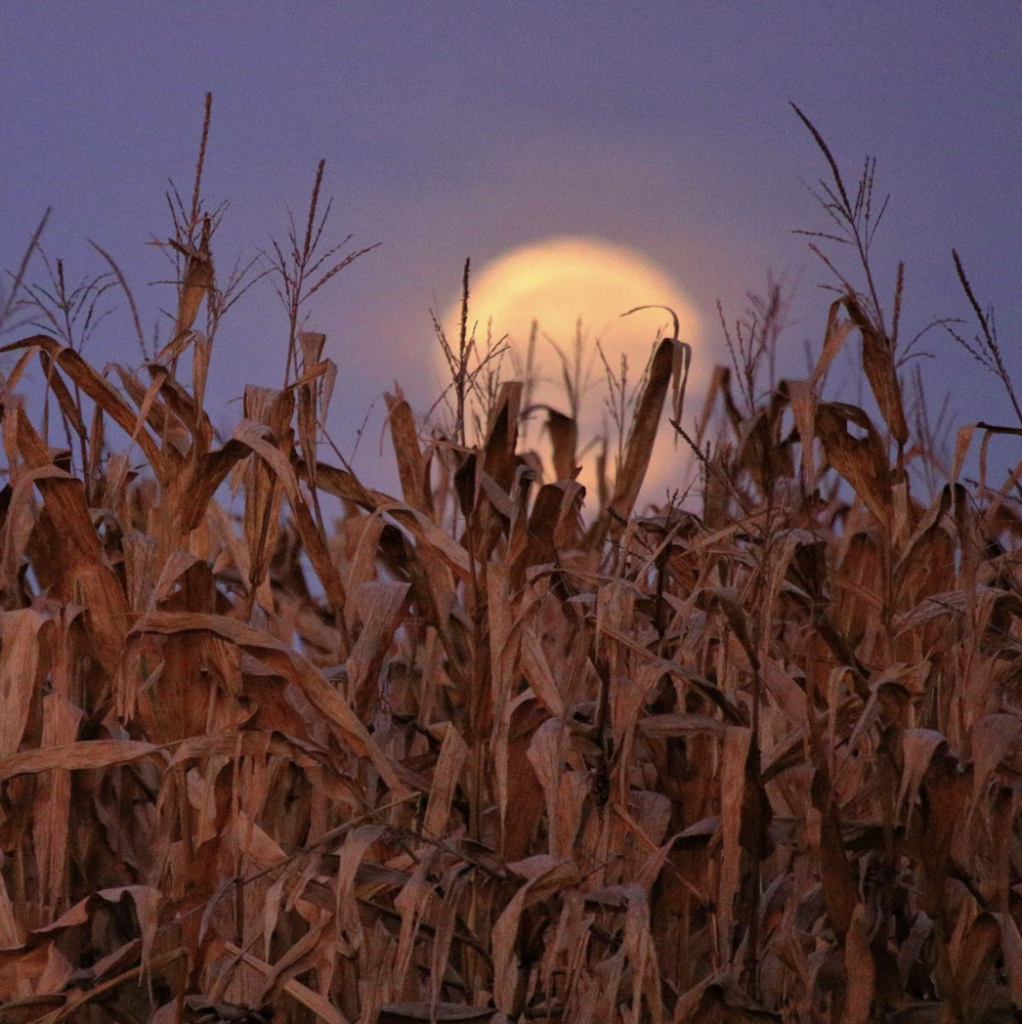
Harvest Moon | The Bounty Of Fall

As certified Master Gardeners and Permaculture farmers, Deborah & Barre Lando now oversee the Alfa Vedic farm full time after retiring their integrative medicine clinic of some 40 years.
Garden vegetables in abundance, crisp fragrant apples, and temperate days punctuated with markedly cooler nights; September and October are the perfect months. You can ease your pace, and reflect in gratitude. The hard work of spring and summer is now growing distant, and your garden is less demanding. It is now the time for harvest, and you marvel at the results of your efforts lavishly repaid.
Here on the north coast autumn is especially sweet, as the inland heat loses its fury leaving a fogless tranquil ocean in its wake. Indian summer is our time, we’ve longed for this, and however short, it was worth the wait. Winter has begun her whispers, but for now we enjoy these few precious weeks.
Amidst this awaited respite it’s also time to inventory your pre-winter preparations. Canning, pickling, putting up jams and dehydrating will ease grocery bills for the long months ahead, but with flavors and nutrition that are impossible to buy. It’s a time to sow fall vegetables seeds, and
plant anew foundational, perennial trees and plants that will grace your garden with bounty and beauty in the seasons ahead.
Is your garden Winter ready? Don’t neglect the protection many plants require to survive the harsh weather ahead, and take advantage of the cooler temperatures to plant and harvest the last of this years food crops. The following provides a suggested ‘to do’ list for the Fall season.
KEY GARDEN TASKS
- Heavily mulch fall and winter crops, flowerbeds, and any type of citrus or tender perennial to protect them from damaging freeze/thaw cycles.
- Perform an extensive garden cleanup, while composting all healthy plant debris.
- Clean the ‘water wells’ of fruit trees from weeds or invasively growing grass that robs nitrogen. Follow with a healthy dose and top dress of Azomite to provide much needed minerals throughout the rainy season. Azomite is a naturally occurring, complete mineral nutrient that comes in a powdered and/or granulated form.
- Continue to weed and deadhead flowering plants.
- Fertilize flowering plants that are about to bloom.
LANDSCAPE PLANTINGS
Fall is the season to plant spring blooming bulbs. After digging the hole to place your bulb in, be sure to use a generous handful of organic fertilizer to properly feed the newly planted bulb(s). Daffodils, tulips, crocus, and narcissus are a few of the most common and sturdy spring blooming bulbs available. One benefit of planting daffodils and narcissus is that the deer tend to leave them alone!
General bulb guide:
When shopping for top quality bulbs, corms, tubers and rhizomes for Spring color, make sure they are plump, healthy looking, firm, and heavy for their size.Hyacinth and tulip bulbs can be chilled in the refrigerator until November before planting.In order to have ‘non-stop blooming’ from bulbs come Spring, plant anemones and ranunculus every three weeks until December.
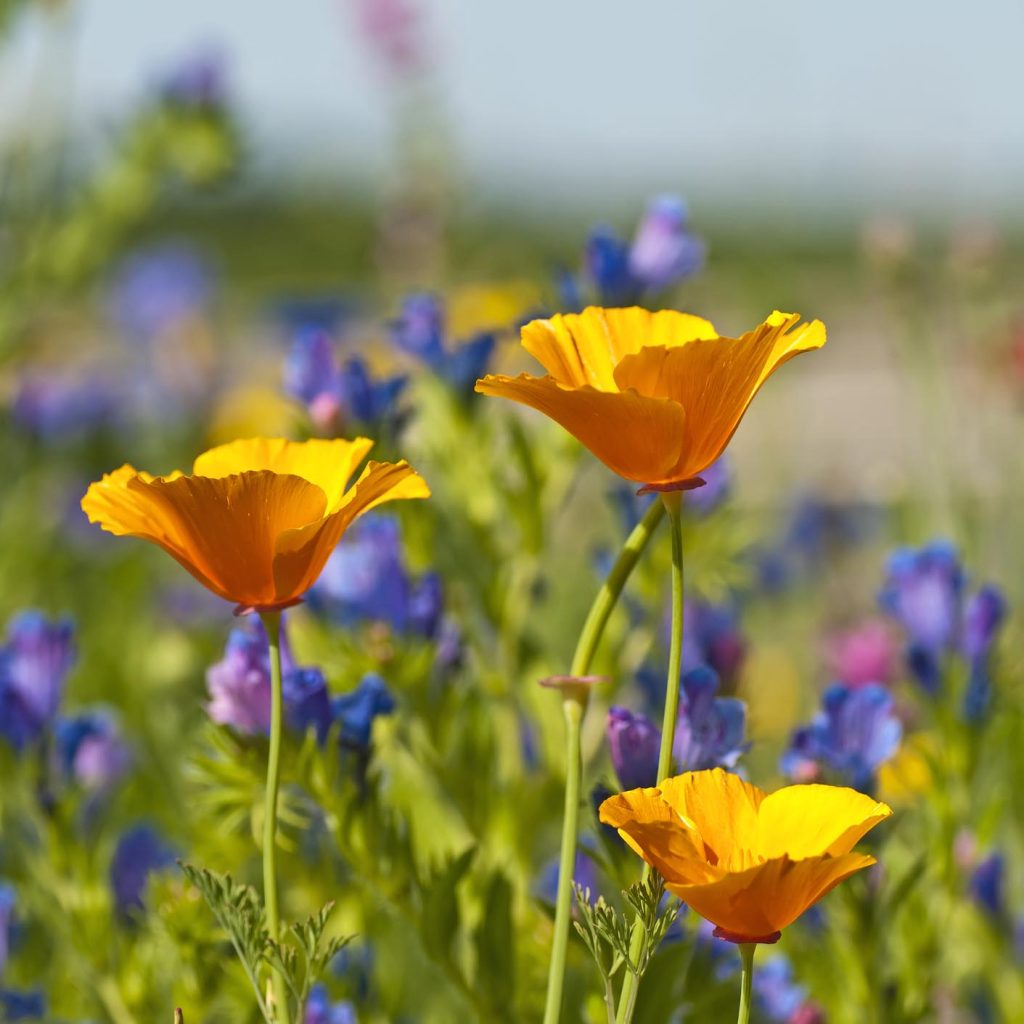
This is the optimum time of the year to purchase and plant native California plants along with fall foliage plants for autumn color. Be sure to water regularly all newly transplanted plants until the rains come. A benefit of ample California natives amidst your landscape is their less-favored cuisine status for the hooved visitors to your garden.
“Everything that slows us down and forces patience, everything that sets us back into the slow circles of nature is a help. Gardening is an instrument of Grace.”
FALL /WINTER VEGETABLE GARDEN CARE
- Now is the time to plant ‘overwintered’ vegetable crops not intended for fall/winter harvest. They will root now, go into dormancy, and provide early spring harvesting long before spring planted crops begin to yield. Most overwintered crops are temperature hardy, however, extra mulch at the time of planting is recommended. Optimum choices for these late season garden crops are garlic, spinach, sprouting broccoli, and a few varieties of bulbing onions.
- With temperate ‘Indian summer’ days cool season crops such as salad greens, root vegetables, spinach, arugula and broccoli establish themselves quickly and provide one last harvest before the extreme cold of winter sets in. However, it’s wise to keep a fabric frost cover near by to insure protection from early onset cold temperature drops at night.
- Perennial vegetables such as chard and kale grow slowly, and benefit from a dose of organic fertilizer. A ‘thinning out’ of these crops can provide increased air circulation and minimize root competition for soil nutrients during this time period.
- Utilize this time to gather seeds from your most outstanding crops of the season. Store in a cool, dry location and don’t forget to label all seed storage containers. Dry seeds thoroughly prior to packaging.
- Last, but not least is the ‘cover crop’. Known in the gardening world as green manure, aka the smother crop, this method provides a temporary infill planting of the garden beds. During the winter, the cover crop builds healthy soil, prevents erosion, and attracts beneficial insects. In addition, it is a weed suppressant and inhibits soil compaction from seasonal rain. Cover crops in the legume family such as peas, clover, fava beans, and vetch feed the soil by ‘fixing’ nitrogen in the cover crop root system. When the roots break down later in the season, nitrogen is released back into the soil. This cycle leaves the soil in better condition than when it was started.
Our final recommendation as always, is to work with nature in the garden, rather than against her by using chemicals.With organic fertilizers, plant based products, and naturally occurring minerals and supplements, your garden will thrive and provide healthy food and flowers for you and your loved ones in the years to come.
Happy Gardening, Deborah & Barre Lando